

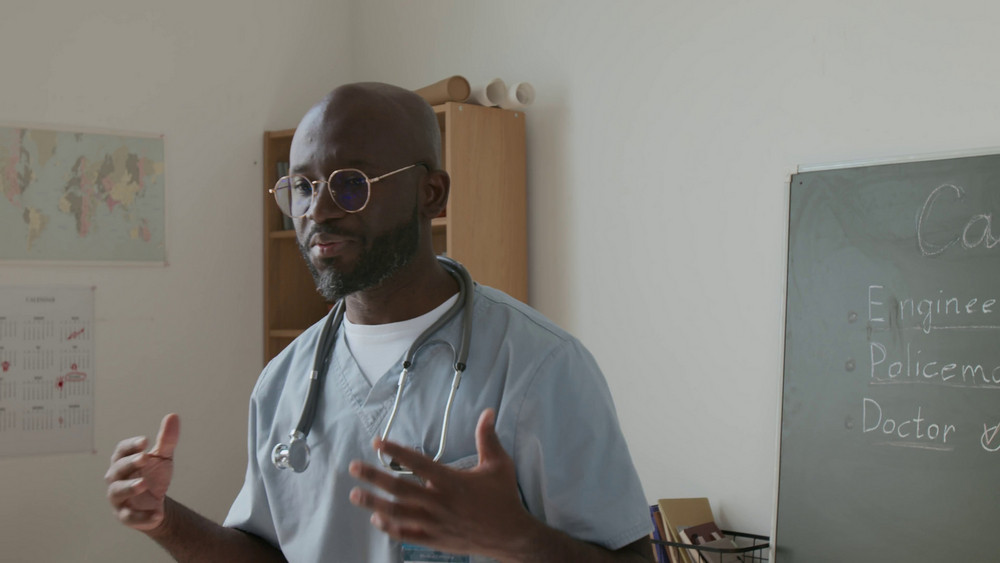
Choosing a career in healthcare is often rooted in a desire to create meaningful change, both on individual and community levels. Nursing, in particular, invites people who value compassion, resilience, and critical problem-solving to step into a profession where every day brings new opportunities to make a difference. According to the U.S Bureau of Labor Statistics, there are about 3,391,000 nurses in the United States. That number reflects the vast scale and importance of the profession—and the continued need for dedicated individuals ready to join it. Whether you imagine yourself at the bedside, in public health, or in leadership, nursing lays the foundation for a career that is both personally and socially impactful.
1. A Rewarding and Purpose-Driven Career
For many, the decision to pursue nursing stems from a genuine desire to help others, often inspired by personal experiences with healthcare or a passion for service. The sense of purpose nurses feel each day is unique—few careers offer the chance to comfort, advocate, and support people through some of their most vulnerable moments. As you explore your options and begin your educational journey, a nursing program can help solidify this purpose by providing the training and confidence you need to excel in patient-centered care. Beyond technical skills, nursing offers emotional rewards that are difficult to quantify. The gratitude from patients, the camaraderie among healthcare teams, and the fulfillment of seeing tangible improvements in someone’s health can be deeply motivating.
2. Strong Job Stability and High Demand
Career stability is one of the most attractive aspects of nursing. Healthcare needs continue to grow due to aging populations, chronic health conditions, and expanded access to services across the country. This means that those who complete a nursing program will enter a workforce where their skills are consistently needed, regardless of geographic location or economic fluctuations.
This demand translates to career longevity and security—two qualities many professionals value highly. Even during challenging economic climates, nurses remain essential, ensuring that hospitals, clinics, and community health organizations can continue delivering patient care. For individuals seeking a career with predictable employment prospects and long-term stability, nursing offers reliability unmatched by many other fields.
3. A Wide Variety of Specialization Options
One of the most exciting features of nursing is the sheer number of specialties available. Whether you’re interested in pediatrics, oncology, emergency medicine, mental health, or critical care, there is a path tailored to your interests. A nursing program lays the groundwork, giving you the fundamental skills and clinical experiences needed to understand where your passions may lie. As you continue in your career, you can refine your focus and pursue specialized certifications or advanced education. Nurses often find that their interests evolve as they gain experience, and the flexibility to transition between specialties ensures that your career remains dynamic and engaging. This variety also allows you to discover environments and patient populations that resonate with your values and strengths.
4. Competitive Earning Potential
Nursing offers strong earning potential, with salaries that reflect the importance and complexity of the work nurses perform each day. In many areas, nurses enjoy competitive wages, comprehensive benefits, and opportunities for overtime or differential pay. These opportunities are accessible to graduates of a nursing program, whose education prepares them for roles in high-demand settings where compensation is robust.
In addition to standard wages, career advancement can significantly boost earning potential. Pursuing leadership roles, entering advanced practice positions, or working in high-acuity specialty units often leads to increased salaries. This makes nursing a financially rewarding field for those who want to grow their career steadily while maintaining opportunities to serve and support patients.
5. Flexible Scheduling Opportunities
Nursing is one of the few professions that offers a truly flexible range of schedules. From traditional 8- or 12-hour shifts to part-time, weekend-only, or per-diem roles, nurses can often choose arrangements that best support their lifestyle. Students entering a nursing program frequently cite scheduling flexibility as a major reason for pursuing the profession, especially if they are balancing family responsibilities or personal commitments.
This flexibility can provide a healthier work-life balance, reduce burnout, and allow nurses to dedicate time to other interests, education, or community involvement. Whether you prefer long shifts with more days off or steady weekday hours, nursing allows you to craft a schedule that supports your well-being and long-term career satisfaction.
6. Career Mobility and Advancement
Nursing is a field where upward mobility is both encouraged and accessible. Many professionals begin at the bedside and later pursue roles in management, education, informatics, or advanced practice. The foundation built in a nursing program equips you with transferable skills—critical thinking, communication, and clinical judgment—that open the door to a wide range of pathways. As healthcare evolves, the demand for nurse leaders, educators, and specialists continues to grow. This means that as your interests shift, your career can evolve with you.
7. The Chance to Work in Diverse Settings
Nurses are not limited to hospitals—far from it. Today, nurses work in schools, corporate offices, home health agencies, research institutions, government organizations, and beyond. This diversity ensures that graduates of a nursing program can find settings that align with their career goals, personality, and preferred pace of work.
Having so many options also promotes long-term career satisfaction. If one environment no longer feels like the right fit, nurses can transition into new roles without changing professions. This ability to adapt creates a career that remains fresh and stimulating, allowing you to explore different types of care and contribute to a wide range of communities.
8. A Profession Rooted in Lifelong Learning
Healthcare is constantly evolving, with new treatments, technologies, and evidence-based practices emerging each year. The education gained in a nursing program sets the stage for embracing this continuous growth, teaching students how to think critically, evaluate new information, and apply research to patient care.
Continuing education is a natural and rewarding part of nursing. Whether attending workshops, earning certifications, or pursuing advanced degrees, nurses remain committed to staying current. This lifelong learning not only enhances patient outcomes but also keeps your career engaging. For those who enjoy continuous intellectual development, nursing provides endless opportunities to expand your expertise.
9. Emotional Fulfillment and Human Connection
Nurses often describe their profession as deeply fulfilling, largely due to the strong human connections they build with patients and families. The empathy and communication skills strengthened in a nursing program prepare you to connect with people during their most vulnerable moments, offering reassurance, education, and compassionate care.
These relationships create profound moments of gratitude and trust—moments that stay with nurses throughout their careers. While the work can be emotionally challenging, it is also incredibly rewarding. The genuine connections formed in healthcare settings are unlike any other and serve as a lasting reminder of the impact nurses make every day.
10. Global and Community Impact
Nursing extends far beyond clinical care. Nurses play crucial roles in public health initiatives, community education, global humanitarian work, and advocacy efforts. Through participation in a nursing program, students gain the foundational knowledge needed to influence health outcomes on both local and international scales. From disaster relief to chronic disease prevention, nurses are essential in shaping healthier communities. Their expertise and leadership help improve access to care, support underserved populations, and advance public health goals. For those who want a career that creates wide-reaching, positive change, nursing offers a powerful platform for impact.
Conclusion
Nursing is a profession defined by purpose, dedication, and opportunity. It brings together the best of both worlds: meaningful human connection and a stable, evolving career path. If you’re seeking a career that challenges you, inspires you, and empowers you to improve lives daily, nursing may be the perfect choice. Are you ready to take the first steps toward a fulfilling career? Reach out to Maria College today!