

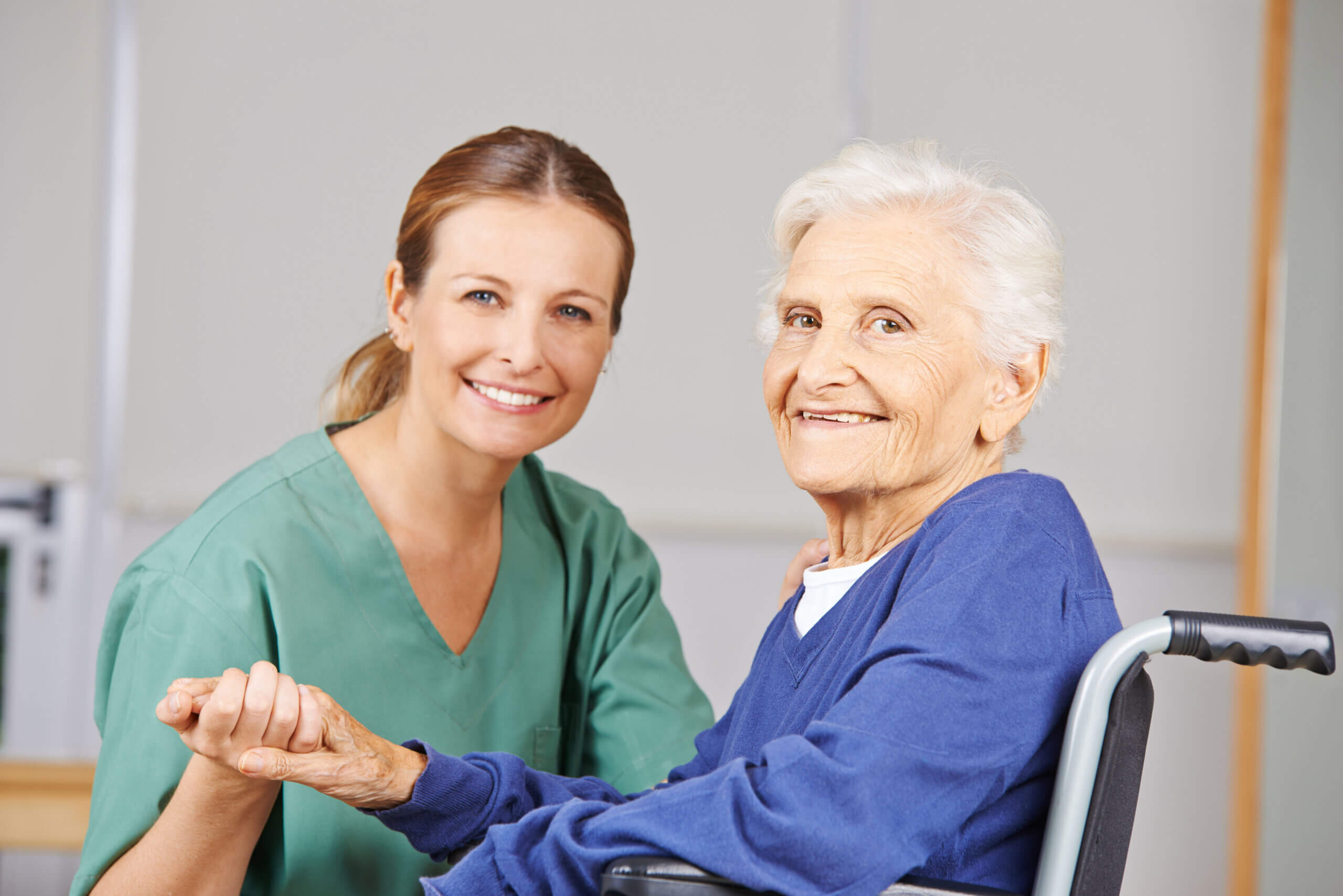
Healthy communities don’t happen by accident. Behind every successful vaccination drive, well-run clinic, and neighborhood wellness program, you’ll find trained professionals who understand how to meet people where they are. If you feel drawn to work that makes a visible difference in the lives of your neighbors, a healthcare degree can give you the knowledge, skills, and confidence to step into that role. From bedside care to rehabilitation and mental health support, the right education prepares you to address both individual needs and the broader factors that shape well-being. Read on to explore the many ways your training can turn into lasting, positive change for the people around you.
Building a Foundation in Clinical Knowledge
Every effort to improve community health starts with a solid understanding of how the human body works and what happens when something goes wrong. The coursework in a healthcare degree program, including anatomy, physiology, pharmacology, and microbiology, gives you the scientific grounding to recognize symptoms, understand treatment plans, and respond appropriately in a variety of situations. This knowledge also helps you separate reliable health information from myths that can spread quickly through a neighborhood or social network.
Clinical experience adds another essential layer. Supervised placements in hospitals, clinics, long-term care facilities, and community settings let you apply classroom lessons to real patients under the guidance of seasoned professionals. You learn how to take vital signs, document care accurately, and work alongside physicians, therapists, and other team members. These experiences build the competence you’ll need to provide safe, effective care once you enter the workforce, and they show you firsthand how much skilled practitioners contribute to a community’s overall well-being.
Strengthening Health Literacy in Your Community
Even the most advanced treatment falls short when patients can’t understand how to follow it. Health literacy, or a person’s ability to find, understand, and use health information, plays a major role in outcomes. According to the Center for Health Care Strategies (CHCS), roughly 60% of individuals enrolled in Medicaid have health literacy skills at the “basic” or “below basic” level. That gap can make it difficult for people to read prescription labels, manage chronic conditions, or know when to seek care.
A healthcare degree prepares you to bridge that gap. Through courses in patient education and communication, you learn to explain diagnoses in plain language, use teach-back methods to confirm understanding, and adapt instructions for different ages, cultures, and learning styles. When you take the time to make sure a patient truly grasps their discharge instructions or medication schedule, you reduce the risk of complications and hospital readmissions. Over time, these one-on-one conversations add up, helping entire neighborhoods become more confident and capable in managing their own health.
Promoting Prevention and Early Intervention
Treating illness is important, but preventing it often has an even greater impact on a community. Healthcare education emphasizes preventive care, including screenings, immunizations, nutrition guidance, and lifestyle counseling. With this training, you can help patients identify risk factors for conditions like diabetes, heart disease, and hypertension long before they become serious.
Graduates with a healthcare degree often participate in health fairs, school wellness programs, and outreach events that bring screenings and education directly to the people who need them most. Early intervention can mean catching a problem when it’s easier and less expensive to treat, which benefits individual patients, their families, and the local healthcare system as a whole. By encouraging regular checkups and healthy habits, you help shift the focus from reacting to crises toward maintaining long-term wellness.
Addressing Social Determinants of Health
Health doesn’t begin and end in a doctor’s office. Factors like housing stability, access to nutritious food, transportation, income, and education all influence how healthy a person can be. Earning a healthcare degree today increasingly means learning to recognize these social determinants of health and consider them when planning care.
When you understand how a patient’s living conditions affect their well-being, you can connect them with community resources, coordinate with social workers, and advocate for solutions that address root causes. For example, a nurse who learns that a patient lacks reliable transportation might help arrange telehealth follow-ups or connect them with local ride programs. These thoughtful interventions make care more equitable and help close the gaps that leave some neighborhoods with poorer health outcomes than others.
Expanding Access Through Diverse Career Paths
One of the greatest advantages of a healthcare degree is the variety of careers it opens up. Nursing remains one of the most direct ways to serve a community, with opportunities in hospitals, schools, home health agencies, and public health departments. Registered nurses and licensed practical nurses often serve as the most consistent point of contact for patients and families.
Occupational therapy offers another meaningful path. Occupational therapists help people recover from injuries, adapt to disabilities, and regain independence in everyday tasks, allowing them to stay active and engaged in their communities. Allied health professionals, such as medical assistants, keep clinics and physician offices running smoothly while supporting patient care. Mental health counselors address a growing need for emotional and behavioral support, helping individuals cope with stress, anxiety, depression, and other challenges. Each of these professions fills a unique role, and together they create a stronger network of care.
Developing Leadership and Advocacy Skills
Improving community health often requires more than direct patient care. It also calls for people who can lead teams, shape policies, and speak up for underserved populations. A healthcare degree often includes coursework in ethics, leadership, and healthcare systems, preparing graduates to take on these broader responsibilities.
With experience, you might lead quality improvement initiatives, mentor new staff members, or serve on committees that guide hospital and community programs. You can also advocate for policies that expand access to care, improve patient safety, or fund local wellness initiatives. Professionals who understand both the clinical and organizational sides of healthcare bring valuable perspective to these conversations, ensuring that decisions reflect the real needs of patients and families.
Cultivating Compassion and Cultural Awareness
Technical skill is only part of what makes a healthcare professional effective. Patients also need to feel heard, respected, and understood. A quality healthcare degree emphasizes compassionate, person-centered care and teaches you to recognize how culture, language, faith, and personal history shape each patient’s experience.
When patients feel respected, they’re more likely to share important information, follow treatment plans, and return for follow-up care. Cultural awareness also helps you build relationships with communities that may have historically felt overlooked by the healthcare system. By approaching every interaction with empathy and humility, you help create an environment where people feel comfortable seeking the care they need.
Choosing to pursue a healthcare degree means choosing a career centered on service, growth, and real-world impact. Whether you see yourself at a hospital bedside, in a rehabilitation clinic, or in a counseling office, your education will prepare you to strengthen the health and wellness of the people around you. If you’re ready to start making a difference, we invite you to explore the programs at Maria College. Our nursing, occupational therapy, allied health, and counseling programs combine hands-on learning with compassionate instruction to prepare you for a meaningful career. Our dedicated faculty and personalized support services help you succeed every step of the way. Contact us today to schedule a visit and take your first step toward transforming lives in your community.