

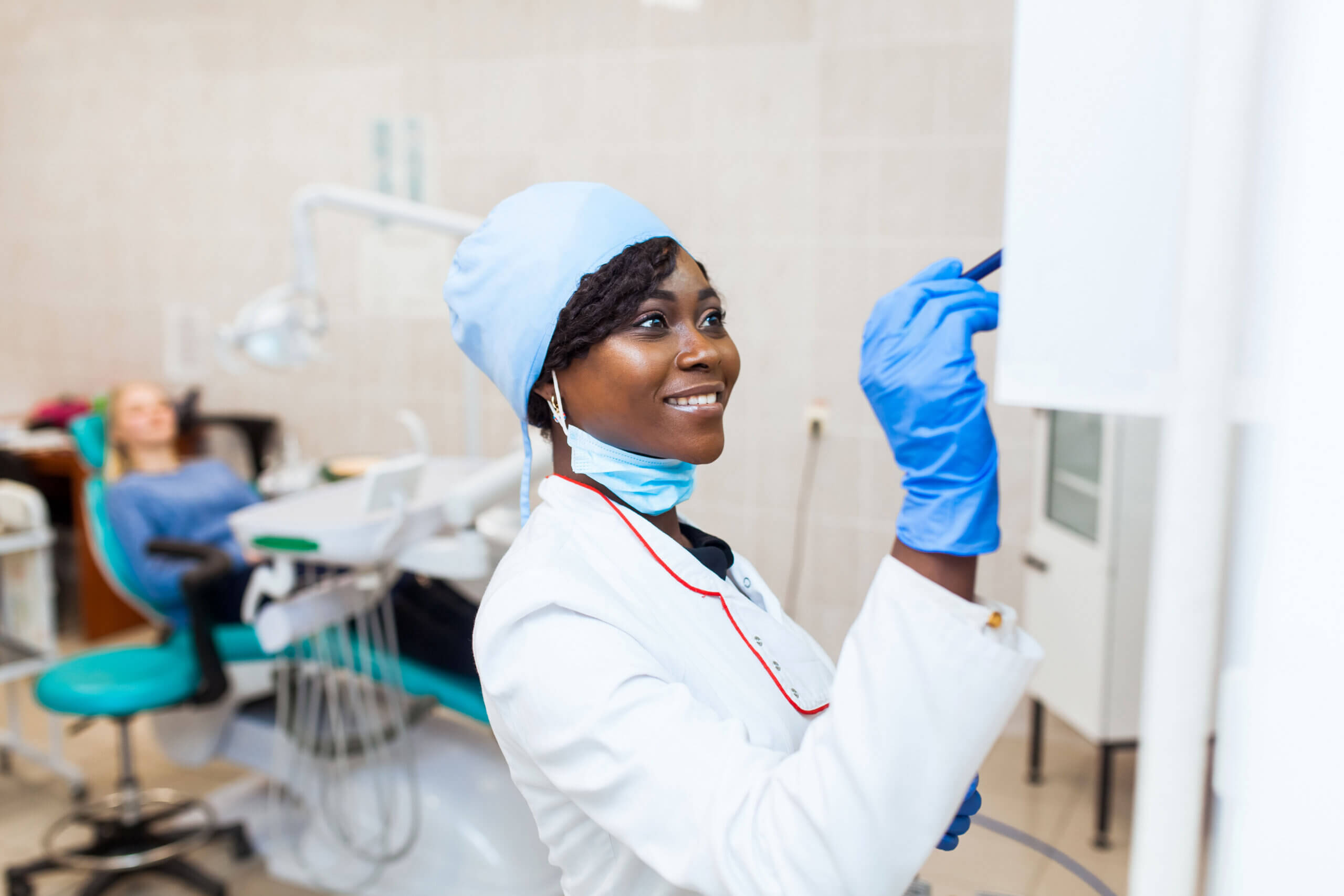
Preparing future nurses requires more than classroom instruction alone. While foundational knowledge in anatomy, pharmacology, and patient care theory is essential, nursing is ultimately a practice-based profession. Students must be able to translate what they learn into real-world decision-making, technical skills, and compassionate interactions. This is where hands-on learning becomes a central pillar of nursing education. Programs that prioritize experiential learning help students develop confidence, competence, and professional readiness before entering the workforce.
A local nursing program is uniquely positioned to support this type of learning. By drawing from nearby healthcare facilities, community partnerships, and accessible campus resources, students are immersed in practical experiences throughout their education. Rather than treating clinical exposure as an isolated requirement, these programs integrate hands-on learning into every stage of the curriculum. This approach allows students to gradually build skills, refine critical thinking, and understand how nursing theory applies in real clinical environments.
Hands-on learning also helps bridge the gap between academic preparation and professional expectations. Employers increasingly seek graduates who are comfortable in clinical settings, able to collaborate with interdisciplinary teams, and prepared to respond to patient needs from day one. A local nursing program that emphasizes experiential education supports these goals while fostering strong connections between students and the communities they will ultimately serve.
Building Clinical Skills Through Structured Simulations
One of the most effective ways a local nursing program supports hands-on learning is through structured simulation experiences. Simulation labs provide controlled environments where students can practice essential nursing skills without the pressure of real-world consequences. These labs often replicate hospital rooms, long-term care settings, or outpatient clinics, complete with medical equipment and lifelike patient mannequins.
Through simulations, students practice tasks such as administering medications, monitoring vital signs, performing assessments, and responding to emergency scenarios. Faculty can design scenarios that reflect common clinical situations as well as rare but critical events, allowing students to develop both routine and advanced skills. Immediate feedback following simulations helps students identify areas for improvement and reinforces best practices.
Simulation-based learning also strengthens communication and teamwork. Students often work in groups, assuming different roles within a healthcare team. This mirrors real clinical settings and helps learners understand how collaboration affects patient outcomes. By repeatedly engaging in realistic scenarios, students gain confidence before transitioning into direct patient care.
As part of a comprehensive educational approach, simulation labs allow a local nursing program to standardize learning experiences while still adapting to evolving healthcare practices. This balance ensures students are well prepared for the demands of clinical placements and future employment.
Integrating Classroom Instruction With Practical Application
Hands-on learning is most effective when it is closely aligned with classroom instruction. A local nursing program intentionally integrates theory and practice so students can immediately apply what they learn in lectures to real or simulated clinical situations. This integration reinforces understanding and helps students see the relevance of academic concepts.
For example, lessons on cardiovascular health may coincide with lab sessions focused on cardiac assessments or monitoring equipment. Pharmacology courses are often paired with medication administration practice, emphasizing dosage calculations, safety protocols, and patient education. This coordinated structure ensures students are not simply memorizing information but actively using it in context.
According to Gitnux, there are more than 2,600 accredited nursing programs in the United States. Within such a broad educational landscape, programs that successfully connect theory with hands-on learning stand out. A local nursing program that emphasizes this integration helps students retain knowledge more effectively and develop clinical reasoning skills essential for patient care.
By consistently linking classroom content to practical experiences, students gain a deeper understanding of nursing responsibilities and expectations. This approach also helps reduce anxiety during clinical rotations, as students are already familiar with the skills and procedures they encounter in real healthcare settings.
Partnering With Local Healthcare Facilities for Clinical Rotations
Clinical rotations are a cornerstone of nursing education, and a local nursing program benefits greatly from partnerships with nearby healthcare facilities. These relationships provide students with access to hospitals, clinics, long-term care facilities, and community health organizations where they can observe and participate in patient care under supervision. Local partnerships offer several advantages. Students are exposed to the specific healthcare needs of their community, gaining insight into population health trends, resource availability, and patient demographics. This localized experience helps students understand how social, economic, and cultural factors influence care delivery.
Clinical rotations also allow students to apply skills learned in simulations and labs to real patient interactions. Under the guidance of experienced nurses and faculty, students perform assessments, assist with treatments, and communicate with patients and families. These experiences build professional confidence and reinforce ethical and safety standards.
Supporting Skill Development Through Faculty Mentorship
Faculty mentorship plays a critical role in hands-on learning. In a local nursing program, instructors often have strong ties to regional healthcare institutions and bring practical experience into the classroom. Their guidance helps students navigate both academic challenges and clinical expectations. Mentors support skill development by providing individualized feedback during labs, simulations, and clinical rotations. They help students refine techniques, improve communication, and develop professional judgment. This personalized attention ensures learners progress at an appropriate pace while maintaining high standards of care.
Faculty mentorship also supports reflective learning. After hands-on experiences, instructors encourage students to discuss what went well, what was challenging, and how they might approach similar situations in the future. Reflection deepens learning and helps students internalize lessons from clinical practice. Because a local nursing program often features smaller class sizes or more accessible faculty, students may find it easier to build meaningful relationships with instructors. These connections foster a supportive learning environment where students feel comfortable asking questions and seeking guidance.
Encouraging Community-Based Learning Experiences
Hands-on learning extends beyond hospitals and clinics. A local nursing program frequently incorporates community-based experiences that expose students to public health initiatives, preventive care, and patient education efforts. These opportunities broaden students’ understanding of nursing roles outside traditional acute care settings.
Community-based learning may include health screenings, wellness programs, school-based health initiatives, or outreach services for underserved populations. Through these experiences, students practice communication, cultural sensitivity, and health promotion skills while addressing real community needs.
Such experiences also highlight the importance of preventive care and patient advocacy. Students learn how nurses contribute to long-term health outcomes by educating individuals and families, coordinating care, and connecting patients with resources. This perspective reinforces the holistic nature of nursing practice. By engaging with their surrounding community, students in a local nursing program develop a sense of responsibility and connection to the populations they serve. These experiences prepare graduates to work effectively in diverse settings and adapt to evolving healthcare priorities.
Preparing Students for Professional Practice and Licensure
Hands-on learning is essential for preparing students to transition from education to professional practice. A local nursing program designs experiential components with licensure and workforce readiness in mind, ensuring students are familiar with the competencies required for entry-level nursing roles.
Hands-on learning helps students develop soft skills such as time management, teamwork, and professional communication. These abilities are difficult to teach through lectures alone but are cultivated through real-world practice. Employers value graduates who can adapt quickly, collaborate effectively, and maintain professionalism in high-pressure environments. By emphasizing experiential education throughout the curriculum, a local nursing program ensures graduates are not only academically prepared but also capable of delivering safe, compassionate care from the start of their careers. Call Maria College today to learn more about our nursing programs or to schedule a campus visit.