

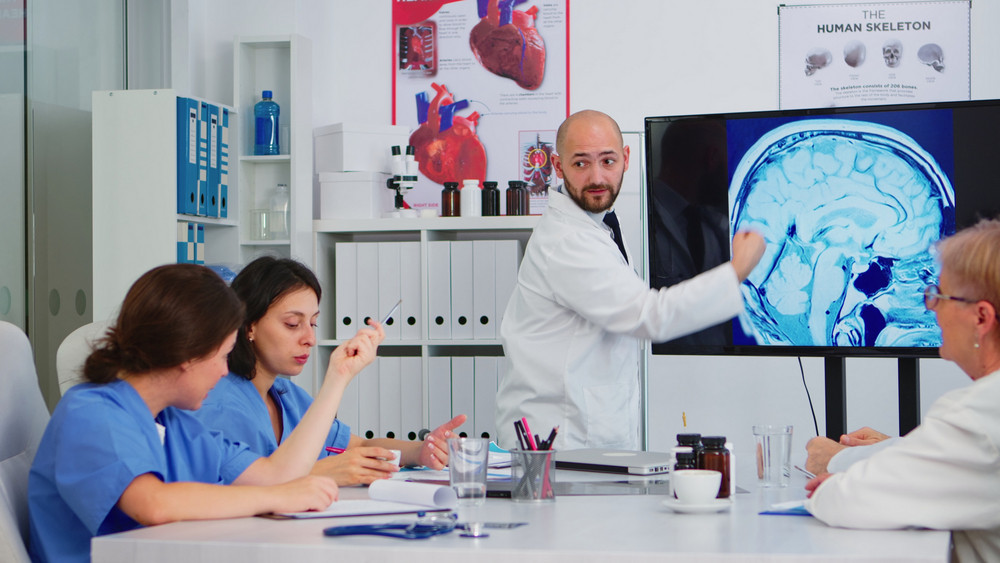
Embarking on a healthcare career represents a deeply fulfilling journey an individual can choose. As the medical field expands and evolves, the need for compassionate, skilled, and dedicated healthcare professionals continues to rise across every region. Choosing to pursue your education close to home brings distinct advantages that go well beyond simple convenience. Enrolling in local nursing programs allows students to gain high-quality instruction while remaining rooted in the communities they intend to serve. By offering personalized instruction, hands-on clinical experience, and direct links to area medical facilities, these educational pathways help aspiring nurses build solid foundations for long-term success. Understanding how these educational offerings function and what unique benefits they provide can empower you to make informed decisions about your educational and professional future.
The journey toward becoming a registered nurse or advancing within the field requires rigorous preparation, emotional resilience, and deep theoretical understanding. When students select local nursing programs, they gain access to specialized curricula tailored to regional healthcare environments. This localized focus creates a supportive atmosphere where learners develop essential patient care capabilities, critical thinking skills, and specialized medical knowledge. Furthermore, studying within your own geographic region helps maintain strong family support systems and personal networks, which are crucial during demanding academic terms. As healthcare environments become increasingly dynamic, early exposure to community health dynamics provides students with invaluable insights into patient advocacy, public health initiatives, and collaborative care models.
Developing Practical Clinical Skills
A primary cornerstone of any comprehensive healthcare curriculum is robust clinical training. Students enrolled in local nursing programs participate in real-world clinical rotations at nearby hospitals, outpatient clinics, long-term care centers, and community health centers. These practical experiences bridge the gap between classroom theory and hands-on patient interactions. Working alongside experienced clinical instructors and active healthcare teams, students learn how to assess patient health, administer treatments safely, manage complex medical records, and react swiftly during high-pressure situations. This immersive learning environment fosters confidence and ensures that graduates enter the workforce fully prepared to handle the daily responsibilities of patient care.
Beyond technical proficiency, clinical rotations in regional facilities allow students to become familiar with specific clinical workflows and electronic health record systems commonly used in the area. Learning the nuances of local healthcare delivery models ensures a smoother transition from academic study to professional employment. Instructors provide personalized guidance, offering immediate feedback and mentoring that encourages critical clinical decision-making. Through repetitive practice in simulated lab environments and real clinical settings, students master intricate procedures while learning the vital art of empathetic bedside care. This holistic approach ensures that learners develop not only medical competence but also great interpersonal skills necessary for modern healthcare environments.
Building Strong Community Connections
Selecting local nursing programs offers substantial advantages when establishing professional relationships within the regional healthcare ecosystem. Throughout their studies, students interact with nurse managers, department heads, preceptors, and clinical specialists who can serve as mentors and future employers. These professional connections often lead to direct job placements, internship opportunities, and ongoing career advancement. Healthcare employers frequently prefer hiring graduates from regional institutions because these individuals are already familiar with the community demographic, regional health challenges, and local institutional policies. Establishing this professional footprint early in an academic journey significantly enhances long-term career prospects.
Additionally, studying locally allows students to participate in community health initiatives, health fairs, and wellness outreach programs. These interactions deepen an understanding of public health issues affecting neighbors, families, and surrounding neighborhoods. Serving local residents fosters a strong sense of civic responsibility and professional purpose, reinforcing why many individuals choose nursing as a lifelong calling. Networking within local professional organizations and alumni groups creates a strong safety net of peers who can offer career guidance, job leads, and moral support throughout a nurse’s entire professional journey.
Opening Diverse Career Pathways
The versatility of a nursing credential enables graduates to pursue a vast array of specialized fields based on their unique interests and career aspirations. Comprehensive local nursing programs prepare candidates for diverse opportunities across acute care, pediatrics, geriatrics, surgical units, emergency departments, and home health services. Graduates are not restricted to traditional hospital environments; they can build fulfilling careers in public health departments, school systems, corporate health facilities, and research organizations. This flexibility allows healthcare professionals to tailor their career paths over time, adapting to changing personal preferences and emerging industry trends.
As healthcare technology and clinical methodologies advance, nurses with specialized training remain in high demand. Completing a respected regional program lays the groundwork for future educational advancement, such as pursuing advanced practice degrees, nurse practitioner certifications, or administrative leadership roles. Educational institutions often maintain articulation agreements and continuing education pathways that make advanced learning accessible for working professionals. Having a solid foundational education allows nurses to continuously expand their scope of practice, increase their professional impact, and secure higher levels of leadership within multidisciplinary medical teams.
Meeting Growing Healthcare Demands
The national healthcare landscape is undergoing unprecedented transformation as expanding populations and aging demographics create an increased need for skilled medical personnel. According to TheSeniorList, there were 14,742 federally certified nursing facilities operating throughout the nation as of 2025. This statistic highlights the vast operational infrastructure required to care for individuals requiring specialized medical oversight and daily support. Educational institutions that deliver local nursing programs play a pivotal role in training the workforce necessary to staff these vital facilities and maintain high standards of clinical excellence across all levels of care.
By producing well-qualified clinical professionals, regional academic programs directly address staffing shortages and help stabilize healthcare delivery systems. Students who train locally are far more likely to remain in the area after graduation, providing vital staffing support to regional hospitals, clinics, and residential care facilities. This steady supply of qualified professionals helps maintain optimal nurse-to-patient ratios, improves patient outcomes, and reduces burnout among existing medical staff. Participating in this essential educational ecosystem allows students to play a key role in strengthening the overall healthcare infrastructure of their hometowns and surrounding communities.
Fostering Long-Term Professional Growth
Higher education in nursing does not simply prepare candidates for an entry-level position; it instills a commitment to lifelong learning, professional ethics, and leadership excellence. Dedicated faculty members teaching within nursing programs emphasize the importance of evidence-based practice, encouraging students to stay informed about scientific research, treatment protocols, and medical technology innovations. Developing a mindset centered on continuous self-improvement ensures that healthcare providers remain effective, adaptive, resilient, and forward-thinking throughout their careers in a rapidly changing field.
Furthermore, local academic institutions offer ongoing resources, mentorship programs, and professional development workshops long after graduation. These ongoing opportunities enable alumni to stay connected with academia, participate in collaborative research, and mentor the next generation of healthcare students. As nurses progress in their careers, the ongoing support of their alma mater serves as a valuable resource for leadership growth, specialization, and career longevity. Investing in quality education locally creates a foundation for enduring professional success and personal satisfaction.
Taking the step to pursue a healthcare career is a transformative decision that yields lifelong personal and professional rewards. Local nursing programs located right in your region provide the guidance, clinical experience, and industry connections necessary to thrive in this essential profession. If you are ready for a fulfilling journey in healthcare, contact us at Maria College today. We will help you take the next steps toward achieving your academic and career goals.